Why go
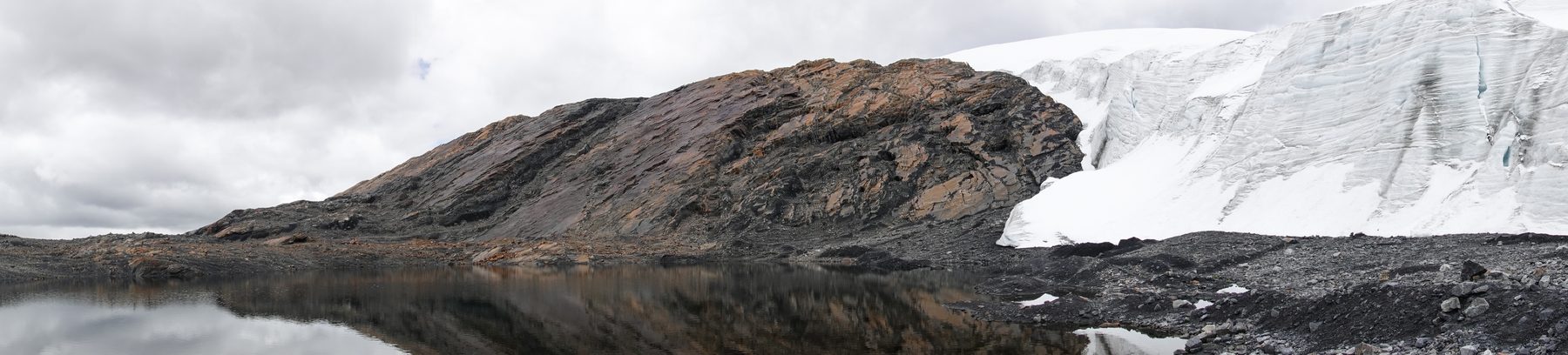
Pastoruri is now experienced as a Climate Change Route, not simply as a point for approaching ice. The journey crosses puna, stands of Puya raimondii and high-Andean formations before reaching a trail near 5,000 metres. Glacial retreat makes an ongoing transformation visible.An interpretive route
The journey connects biodiversity, geology and climate change. The stops form a sequence; rushing only to the end removes much of the meaning.
Puya raimondii and puna landscape
Puya raimondii is an emblematic Andean plant. Observe from permitted areas without damaging leaves or flowers.
A changing glacier
Distance to the ice, closures and the trail endpoint may change for conservation and safety. Older photographs do not necessarily represent the current visit.
Common mistakes
- Going on the first day in Huaraz.
- Assuming a short walk is easy at any altitude.
- Leaving warm clothing behind because the valley is sunny.
- Crossing barriers.
- Promising horse services always operate.
How to get there
The route leaves Huaraz toward Cátac and continues by road into the southern sector of Huascarán National Park. A vehicle or round-trip tour is required. Confirm open stops and where the authorized trail currently ends.Before you go
Visit after progressive activities, not as a first excursion. Walk slowly even when the path looks short. Use the interpretive stops and never cross closures to approach the ice.What to bring
Warm windproof layers, rain shell, hat, gloves, sun protection, water and food. Conditions change between the valley and trail; do not leave warm clothing in the vehicle.The best photograph
The route offers more than glacial ice: Puya raimondii, open puna, wetlands and mountains tell the full story. Use signs for scale without leaving the path.Safety
This walk takes place at an extreme altitude for a day visit. Return to the vehicle if your body is not responding well. Horse services, when operating, do not prevent altitude effects.Frequently asked questions
Can visitors still touch the glacier?
Never assume so. Follow current trails and closures strictly.
Why is it called the Climate Change Route?
It interprets glacial retreat and its relationship with water, landscape and ecosystems.
Sources and verification
Operational details can change. The following primary sources were consulted:
Parque Nacional Huascarán — SERNANPHuascarán National Park — UNESCO World Heritage Centre