Why go
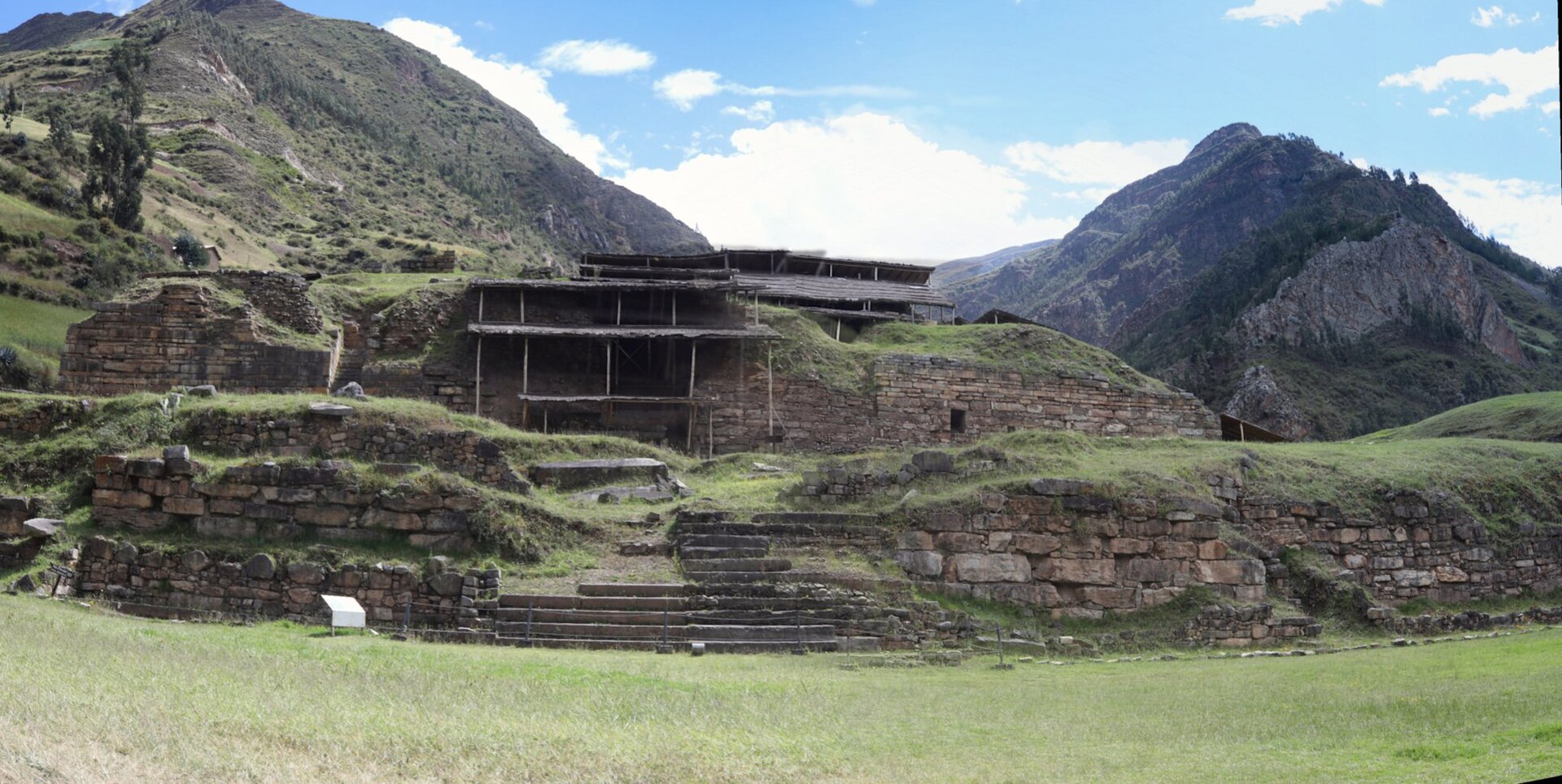
Chavín de Huántar was a major ceremonial and pilgrimage center in the ancient Andes. Plazas, platforms, interior galleries, canals and sculpture created a complex religious experience connecting distant regions. This is an archaeology and history visit, not a trekking excursion.Architecture built for ceremony
Sunken plazas, platforms and galleries organized movement, sound and encounters. Hydraulic channels formed an engineering system integrated into the complex.
The Lanzón and Chavín imagery
The Lanzón occupies a central place and combines human, feline, serpent and bird traits. Tenon heads reveal a visual language of transformation.
What to observe
- Relationship between Circular Plaza, platforms and entrances.
- Arrangement of interior galleries.
- Channels and hydraulic solutions.
- Stone treatment and imagery.
- Difference between objects in situ and museum pieces.
National Museum of Chavín
The museum expands the visit with sculpture and context. Check its opening independently: access to the site does not guarantee the museum is open.
The road from Huaraz
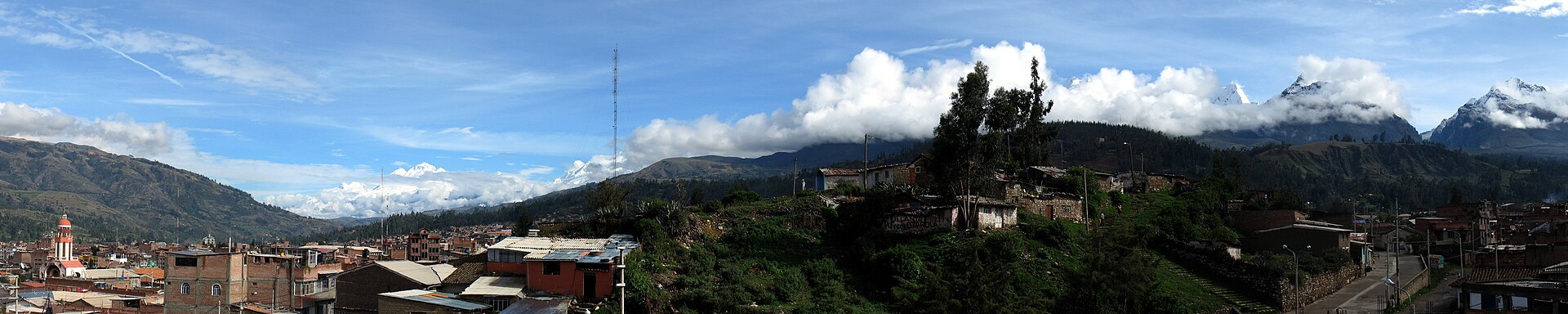
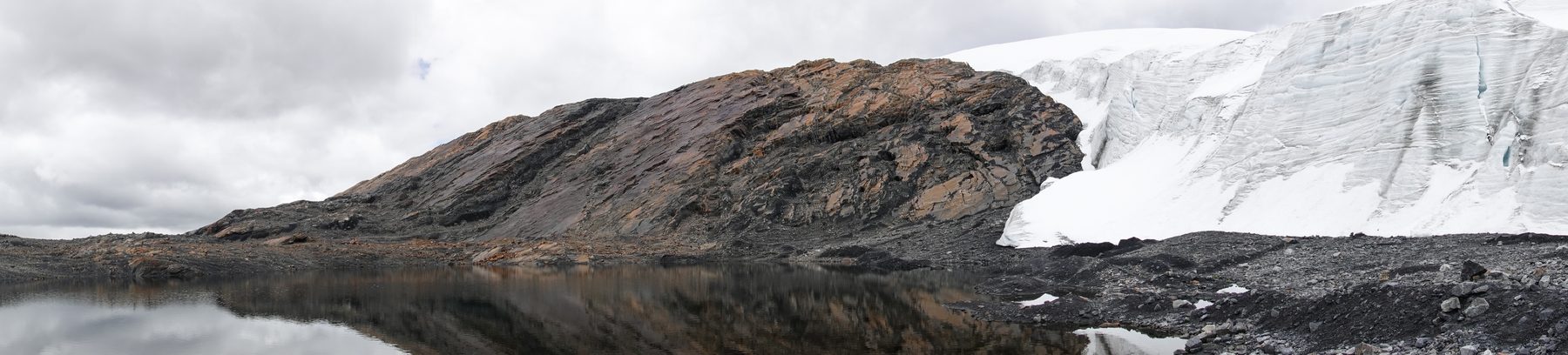
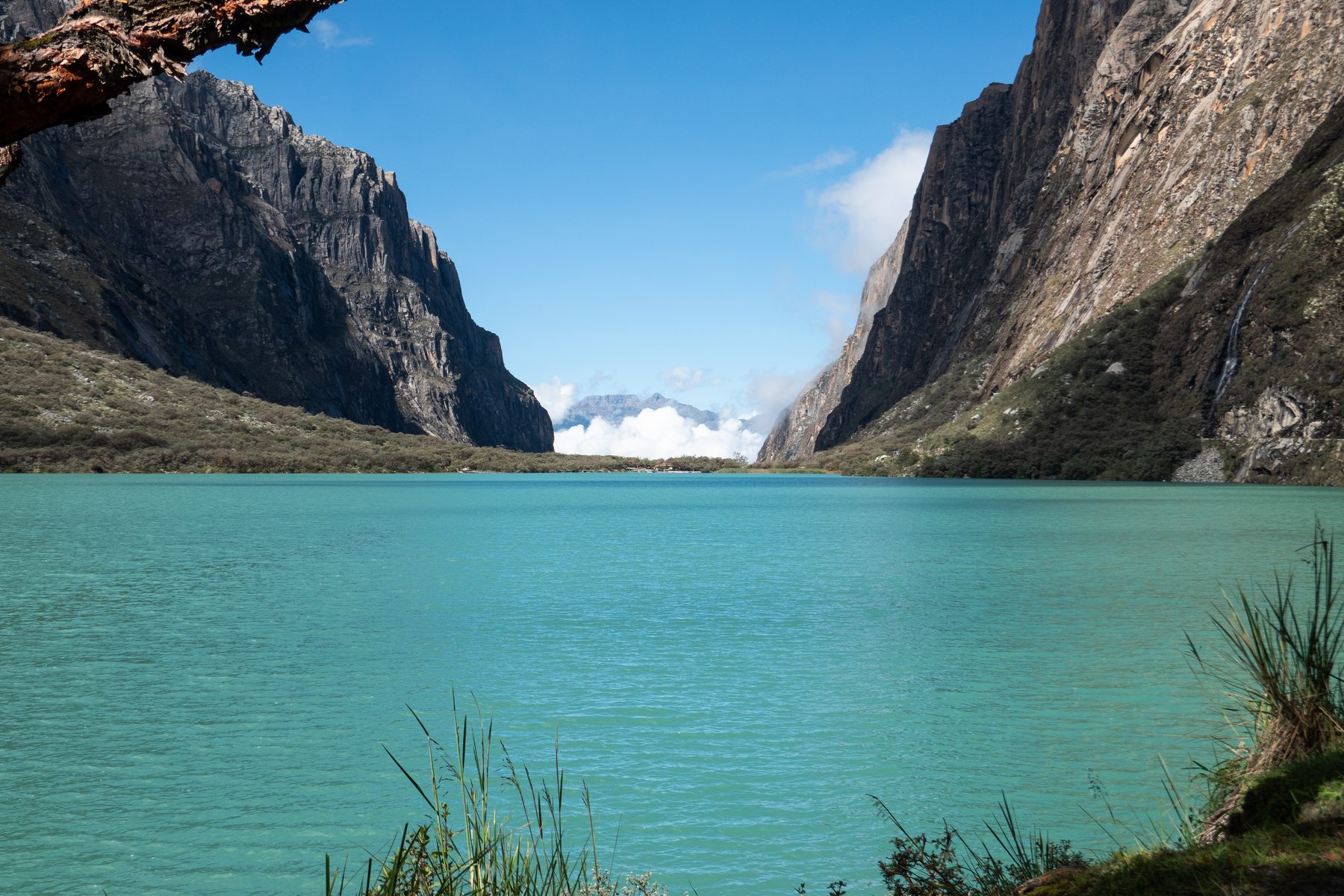
Querococha and Cahuish reveal the transition from Callejón de Huaylas to Conchucos. A road stop should not reduce time at the monument.
History and significance
The site became influential during the first millennium BCE and gave its name to a major cultural horizon of ancient Peru. UNESCO inscribed it for its exceptional value and ceremonial and artistic role.How to get there
From Huaraz, the road crosses the Cordillera Blanca near Querococha and through the Cahuish tunnel before descending into Conchucos. It is a long road day. Confirm site and museum hours separately.Before you go
Allow time for both the archaeological complex and National Museum. A guide helps explain imagery and internal spaces even when not mandatory. Follow marked circulation and never touch walls or sculpture.What to bring
Comfortable shoes, water, rain and sun protection and a warm layer for Cahuish. Avoid bulky packs in galleries and be ready for narrow spaces.The best photograph
Wide views best explain plazas and architecture. Follow restrictions in the museum and galleries; photography may not be allowed for every object or interior.Safety
This is not a technical hike, but the road crosses altitude and curves. Galleries contain uneven surfaces, steps and confined spaces. Ask about options if you have claustrophobia or limited mobility.Frequently asked questions
Is Chavín a hike?
No. It is an archaeological visit with walking inside the site and a long road journey.
Do museum and site share opening hours?
Do not assume so. Check official information for each space separately.
Sources and verification
Operational details can change. The following primary sources were consulted:
Chavín (Archaeological Site) — UNESCO World Heritage CentreMuseo Nacional Chavín — Ministerio de Cultura del Perú